Churchill's Arch: A Symbol of Resilience
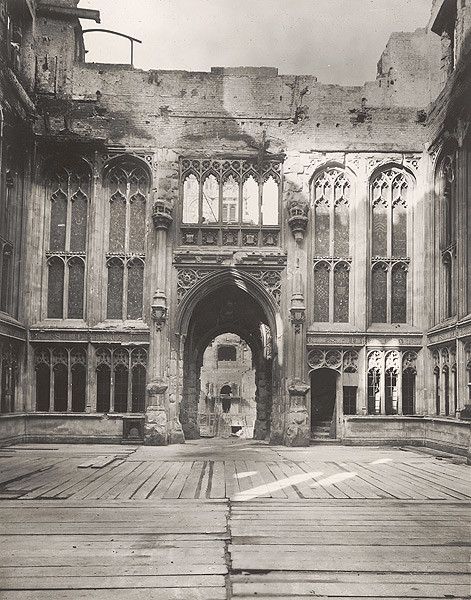
Visiting the Palace of Westminster Abbey in London is a journey through time, a chance to immerse oneself in centuries of British history and tradition. Among the many awe-inspiring sights within this iconic structure, there is one particular feature that stands as a solemn reminder of the resilience of the British people during World War II: Churchill's Arch. This arch, composed some of the few remnants of the building's structure that survived the German Reich's bombings, holds a profound historical significance. As Winston Churchill eloquently put it, "we shape our buildings and afterwards our buildings shape us." This statement resonates deeply as we explore the story behind Churchill's Arch and its enduring message.
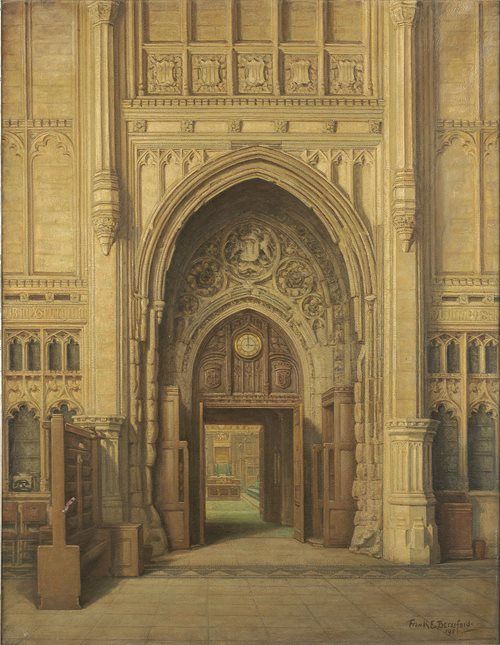
The Significance of Churchill's Arch: Churchill's Arch, a doorway leading to the House of Commons within Westminster Abbey, serves as a tangible link to a tumultuous period in British history. During World War II, London faced relentless bombings by the German Luftwaffe, and the Palace of Westminster did not escape this destruction. While much of the original structure was reduced to rubble during the Blitz, Churchill's Arch endured as a testament to the indomitable spirit of the British people.
Winston Churchill's Reflections: Winston Churchill, a towering figure in British history, once remarked that "we shape our buildings and afterwards our buildings shape us." This profound statement reflects the idea that the physical spaces we inhabit can influence our culture, values, and collective memory. Churchill understood that architecture holds the power to preserve the stories of our past and inspire future generations.
The Arch as a Symbol of Resilience: Churchill's Arch embodies the resilience and determination of the British people during one of their darkest hours. It stands as a reminder of the sacrifices made by those who defended their nation during World War II and of the unwavering spirit that prevailed even in the face of destruction. The arch tells a story of rebuilding, renewal, and the enduring strength of a nation.
A Message for the Future: Churchill's vision for the arch was not merely to commemorate the past but to inspire the future. He believed that it would serve as a beacon for generations to come, reminding them of the bravery and fortitude exhibited by their forebears. Just as the arch survived the Blitz, so too would the values of resilience, courage, and unity endure as a legacy for future generations to uphold.
My Own Reflection: Churchill's Arch at Westminster Abbey stands as a powerful symbol of the human capacity to endure and rebuild in the face of adversity. Winston Churchill's words remind us that our buildings are not passive structures but living repositories of history, capable of shaping our identity and values. As visitors pass through this arch, they are not only entering the House of Commons but also stepping into the annals of history, where the echoes of the past continue to shape the present and inspire the future.